 Why Do I Sweat at Night?
Why Do I Sweat at Night When I'm Sick? Colds, Flu and Fevers
By the Good Sleep team · October 29, 2026
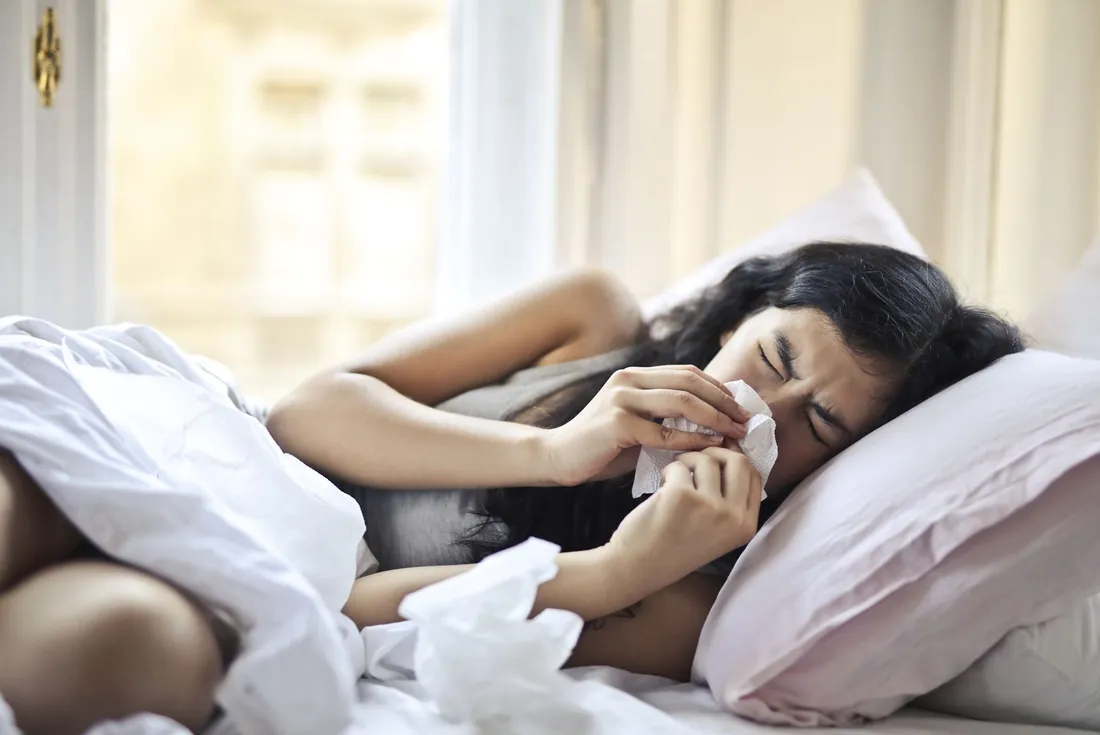
Cold and flu season is here, and with it the classic sick-night pattern: shivering under every blanket you own at 10 p.m., then waking at 3 a.m. soaked. It feels alarming, but in a short illness it's usually your body doing its job.
Why being sick makes you sweat at night
- Fever comes and goes. As a fever climbs you tend to feel cold and pile on covers. When it drops, your body sheds the extra heat through sweat, which is what people mean by a fever "breaking".
- Evenings run warmer. Cleveland Clinic notes that body temperature is typically lower in the morning and higher in the evening, so a fever often peaks around bedtime.
- You over-bundle. The chills make you reach for extra layers, and they're still on you when the fever breaks.
- Medicines wear off. If a fever reducer was keeping your temperature down, the fever can return overnight.
How to get through a sweaty sick night
- Dress for both halves. A light, breathable layer plus a blanket you can push off beats flannel pajamas under a heavy duvet.
- Keep fluids by the bed. Cleveland Clinic's first advice for a mild fever is plenty of fluids and rest. You lose water every time you sweat.
- Change into dry clothes after a sweat, and put a towel over the pillow so you can pull it away when it's damp.
- Try a lukewarm bath for a mild fever. Cleveland Clinic suggests about 98°F, not cold water.
- Use fever reducers as directed if you're uncomfortable and your temperature is above 101°F, per Cleveland Clinic. Don't give aspirin to anyone under 17.
- Keep the room cool, not cold. A comfortable bedroom with lighter covers helps more than turning the heat up.
Sharing a bed while sick
Use separate blankets so your chills and sweats don't keep your partner up, or move to another room for a few nights. If you share a dual-zone bed, each side can be set on its own, which helps when one person is feverish and the other isn't.
After you're better
Sick-night sweats should stop as the infection clears. If they carry on for weeks afterward, or appear when you're not ill at all, that's a different situation worth a check-up. Good Sleep's article on night sweats causes and solutions covers the bed side once you're well, and this guide to the best bedding for night sweats helps if you're replacing soaked sheets.
When to see a doctor
Call your healthcare provider if a fever lasts longer than three to four days, comes with breathing changes, or reaches 103°F or higher in an adult, as Cleveland Clinic advises. Go to the emergency room for a fever with a stiff neck, severe headache, confusion or trouble breathing. See a doctor too if night sweats keep happening after you've recovered, or come with weight loss or a cough that won't clear.